
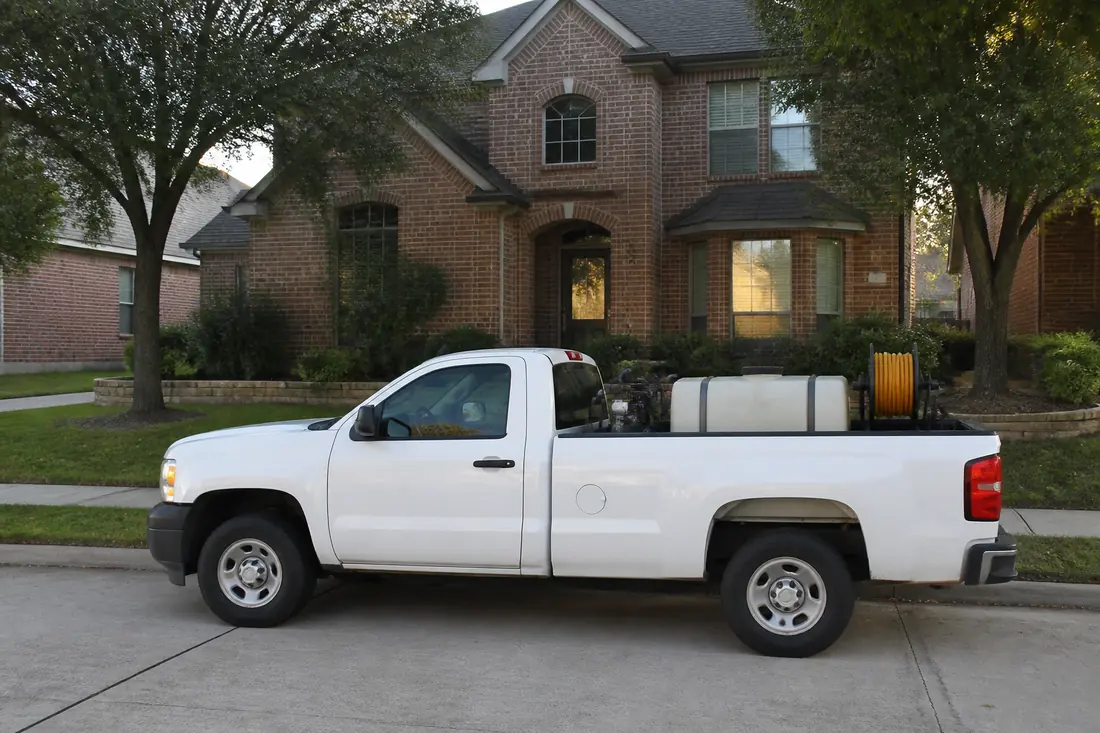
The truck arrives inside the window. A technician gets out, walks the perimeter of the house, treats the foundation line and the eaves, writes up a ticket and leaves. The whole visit takes thirty-five minutes.
Somewhere on that ticket, or on the contract signed three weeks earlier, is a license number. It belongs to a certified applicator — and quite often it belongs to somebody the homeowner has never met and did not see that morning. The person who came to the house was an employee. The person whose credential makes the work lawful was somewhere else.
That arrangement is ordinary. Working through a crew under a supervising license is standard practice in this trade, it is explicitly contemplated by federal law, and a company doing it properly is not cutting a corner. But it is not unconditional either. There is a specific body of rules about who may hold the wand, what the supervising applicator has to have done before that person arrives, and the circumstances in which the supervisor has to be standing on the property.
Two different governments answer that question, and they answer it differently. The federal answer is that the certified applicator does not have to be there. The Texas answer, for the people most likely to be sent to a house in Frisco or Plano, is that a certified applicator has to be physically present on a stated schedule. Knowing which rule is in play, and what it actually obliges, turns a vague unease into three or four questions with checkable answers.
The phrase that starts all of this is printed on the container
Federal pesticide law splits products into two groups: general use, and restricted use. Which group a given product falls into is a registration decision rather than something a reader can infer from the pest or the price. When a product is classified for restricted use, the label has to say so in language the regulation dictates rather than language the manufacturer chooses.
Under 40 CFR 156.10(j)(2)(i)(A), the words “Restricted Use Pesticide” appear at the top of the front panel, set in type as large as the human hazard signal words and prominent enough to be unlikely to be overlooked. Directly below it, under (j)(2)(i)(B), comes a summary statement of the terms of restriction imposed as a precondition to registration. Where use is restricted to certified applicators, the required wording is exact:
For retail sale to and use only by Certified Applicators or persons under their direct supervision and only for those uses covered by the Certified Applicator’s certification.
Three separate limits sit in that sentence, and the last one gets overlooked. The product may be used by a certified applicator. It may be used by someone under that applicator’s direct supervision. And in both cases only for uses inside the applicator’s own certification categories — so a supervisor certified for general pest control does not thereby cover a fumigation.
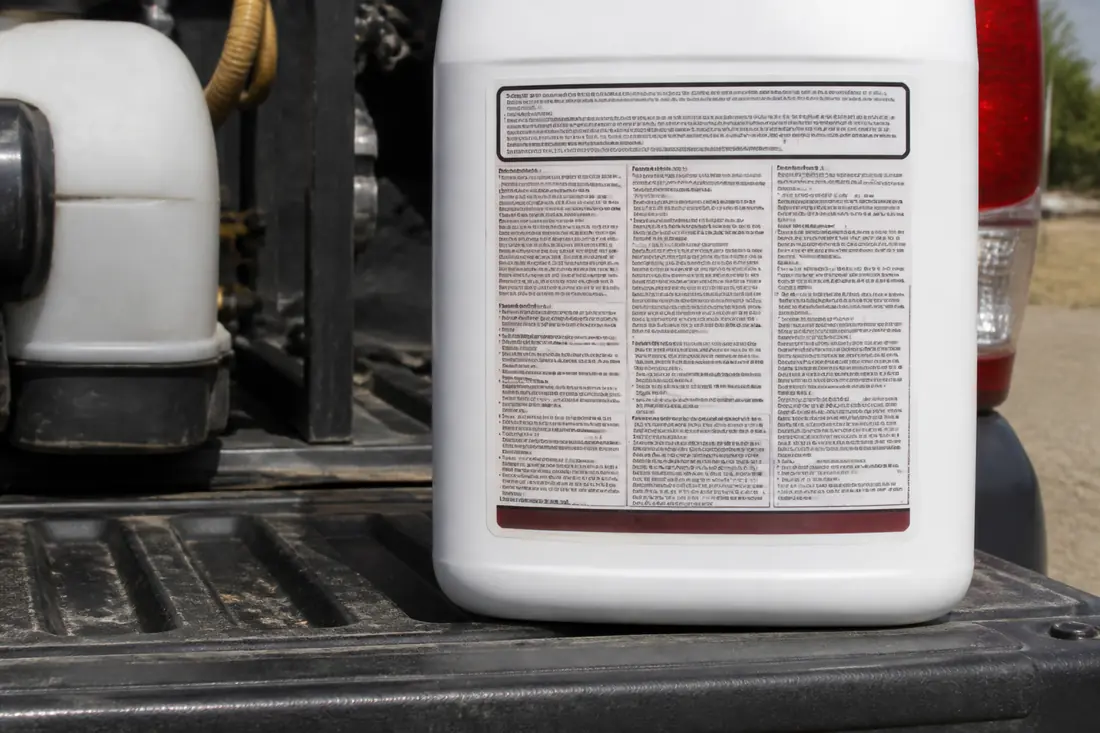
Everything in the rest of this article hangs off whether that block of text is on the container. If the product is general use, the federal supervision regime below does not apply to it at all, and the only credential question left is the state licensing one. Our guide to how to read a pesticide label covers where on the panel to look and what the other required statements mean.
What federal law means by “direct supervision”
The phrase sounds like it describes a person watching. It does not. The definition sits in FIFRA itself, at 7 U.S.C. 136(e), and it is worth reading in full because the final clause is the part that surprises people:
Unless otherwise prescribed by its labeling, a pesticide shall be considered to be applied under the direct supervision of a certified applicator if it is applied by a competent person acting under the instructions and control of a certified applicator who is available if and when needed, even though such certified applicator is not physically present at the time and place the pesticide is applied.
Available if and when needed. Not present. The statute treats the useful thing about certification as the judgment and instruction behind an application rather than the physical proximity of the certified person to the nozzle.
That is the federal floor, and read alone it sounds permissive to the point of being meaningless. It is not, for two reasons that both appear in that sentence. The supervised person has to be competent and acting under instructions and control, which are not self-certifying conditions. And the whole definition yields to the label — “unless otherwise prescribed by its labeling” — which is the hook the rest of the regime hangs on.
What the certified applicator has to do before anyone else uses the product
EPA rewrote the applicator certification rule in 2017, published at 82 FR 1028 on 4 January 2017, and the supervision duties now sit in their own section: 40 CFR 171.201, titled requirements for direct supervision of noncertified applicators by certified applicators. It applies to any certified applicator who allows or relies on a noncertified applicator to use a restricted use pesticide under that supervision. The underlying prohibition is FIFRA section 12(a)(2)(F), which makes it unlawful to make available for use, or to use, a restricted use pesticide other than in accordance with Part 171.
Before the supervised person touches a restricted use product, the certified applicator has to have established several things. The supervised person must have been trained within the last 12 months, or have met the agricultural handler training requirements at 40 CFR 170.501 within the same period, or have satisfied requirements the state certifying authority set at an equivalent standard, or already hold certification in some other category or jurisdiction. They must have been instructed within the last 12 months in the safe operation of any equipment they will use for mixing, loading, transferring or applying. And they must be at least 18 years old.
There is a carve-out to that age floor at 16, and it is worth knowing only so a reader can rule it out: it applies where the supervisor is a private applicator who is an immediate family member, the product is not a fumigant, sodium cyanide or sodium fluoroacetate, and the application is not aerial. A residential pest control call does not look like that.
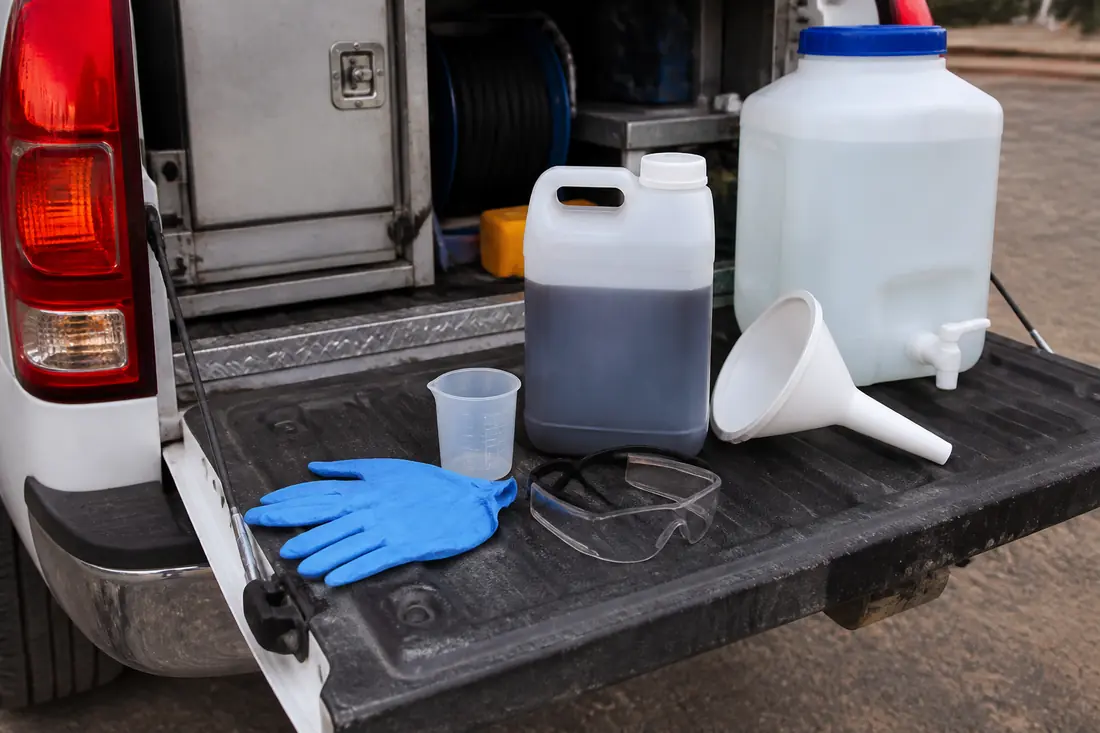
Then there are the conditions attached to the specific job. The certified applicator must ensure the noncertified applicator has access to the applicable product labeling at all times during use. Where the labeling calls for personal protective equipment, the supervisor must ensure it is clean, in proper operating condition, and worn and used correctly. Before use, the supervisor has to provide instructions specific to the site and the pesticide — the labeling directions, precautions and requirements for that use, and how the characteristics of the site and the conditions of the application might raise or lower the risk — delivered in a manner the supervised person can understand. Equipment has to be verified in proper operating condition before each day of use. And a means to immediately communicate with the certified applicator has to be available to the supervised person throughout.
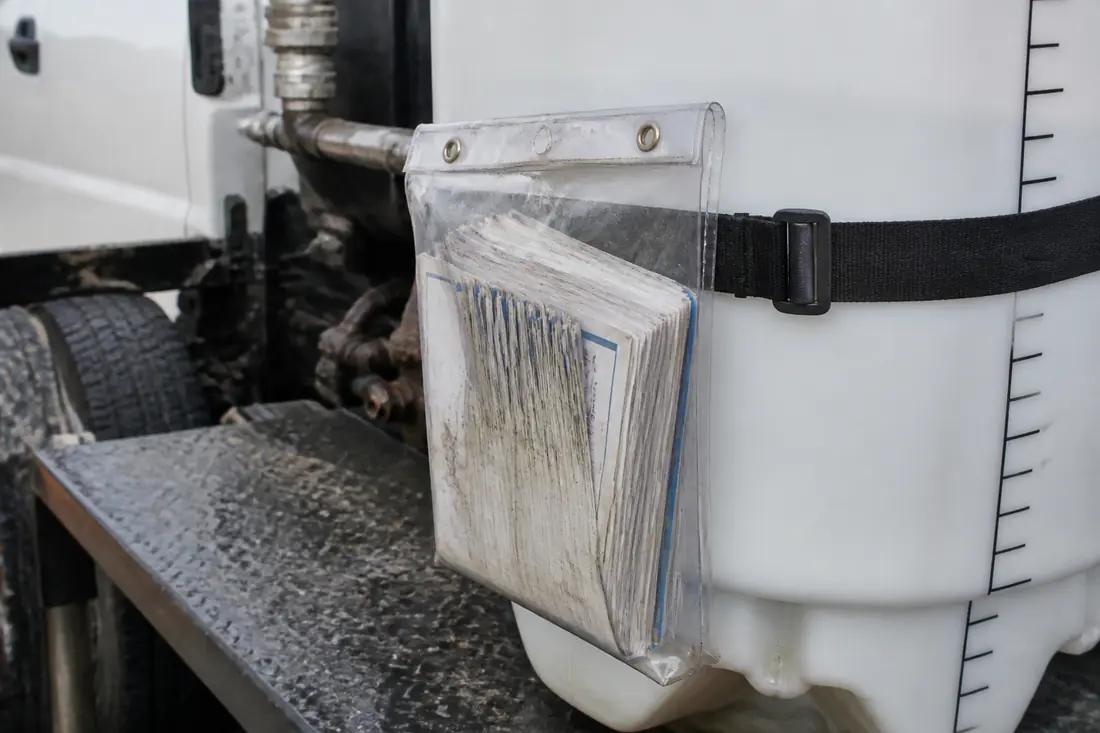
Read as a group, those conditions describe what “available if and when needed” is supposed to look like in practice. The label booklet in a pouch on the tank is not decoration; it is the first of the list. A phone that reaches the supervising applicator is not courtesy; it is the last.
The one line that can put the supervisor on your property
Buried in the same list is the provision that answers the original question directly. Under 40 CFR 171.201(b)(3)(vi), the certified applicator must be physically present at the site of the use being supervised when required by the product labeling.
So the federal rule does not decide presence in the abstract. It delegates the decision to the product. A label may require the certified applicator on site, and where it does, that requirement is not advisory and not satisfied by a phone call. This is the same mechanism as the “unless otherwise prescribed by its labeling” clause in the statute, expressed as a duty rather than an exception, and it is the reason label questions and supervision questions are really one question.
The labeling rules close the loop. Under 40 CFR 156.10(i)(2)(x)(E), the directions for use on a restricted use product have to carry a statement that the pesticide may be applied under the direct supervision of a certified applicator who is not physically present at the site but is available to the person applying it — unless EPA has determined that the product may only be applied under the direct supervision of a certified applicator who is physically present. The answer to the question this article opened with is therefore printed on the container, in the directions for use, product by product.
For a homeowner, that converts an unanswerable worry into something a company can be asked: what product is going on the house, is it restricted use, and does its labeling require the certified applicator to be present.
Texas does not leave it at “available if needed”
The federal scheme is a floor. Texas regulates structural pest control through the Department of Agriculture’s Structural Pest Control Service, and the people a company is most likely to send to a house in Collin or Denton County hold one of two credentials below certified applicator — and both come with presence requirements the federal rule does not impose.
A commercial technician, in TDA’s definition, is the person who performs pest control services under the direct supervision of a certified applicator, and must be licensed for every business they work for. Before anyone can sit the technician exam they have to register as an apprentice and complete the apprentice training, and the apprentice stage is where the presence rules bite hardest.
An apprentice may not work alone without the physical presence of a licensed applicator until they have completed the training set out in section 7.132 of the SPCS regulations. Once that training is complete, the apprentice may provide pest control services in the categories they have finished — and a certified applicator must still be physically present at least three days a week to instruct them. A licensed technician, past the apprentice stage, must meet in person with the certified applicator responsible for their supervision one day per week.
The training behind those stages is specified in hours rather than left to the employer: 20 hours of classroom work in the general standards, with at least two hours in each of ten listed subjects including pesticide labels and label comprehension, pesticide safety, environmental protection, and emergency procedures and cleanup; then 8 hours of classroom training and 40 hours of on-the-job training in each category being licensed. The apprentice card runs 12 months from the date of hire, and the exam has to be passed before it expires.
Set side by side, the two regimes differ on exactly this point. Federal law is satisfied by an applicator who is reachable. Texas, for the staff who actually knock on doors, requires in-person contact on a calendar — weekly for a technician, three days a week for an apprentice, and continuous physical presence for an apprentice who has not finished training. The stricter rule governs, which is why the practical answer to “does the licensed person have to be here?” in North Texas is closer to yes than the federal definition alone suggests.
Our guide to how to check a Texas pest control license covers the business license, the responsible certified applicator and the category structure these credentials sit inside.
What a company has to be able to produce
Both layers generate records, and records are the part a customer can actually ask about.
Federally, a commercial applicator supervising a noncertified applicator must create or verify the records establishing that person’s qualification before allowing them to use a restricted use pesticide, and must have access to those records at the principal place of business for two years from the date of use. Where the qualification was training, the record carries the supervised person’s printed name and signature, the date the training requirement was met, the name of the person who provided it, and a title or description of what was provided.
In Texas, apprentice training is documented on a Verifiable Training Record kept in the apprentice’s personnel file, and TDA states that those records are subject to review by SPCS personnel.
Nobody is suggesting a homeowner audit a personnel file. The point is narrower: a company operating this structure correctly has documents it can describe without hesitation, and the question “who supervises the technician who comes to my house, and in which categories are they certified?” has a short, confident answer or it does not.
What these rules do not tell you
They govern who may apply a product and under what instruction. They say nothing about whether the treatment was the right one, whether the inspection that preceded it was thorough, or whether the problem will come back.
A fully compliant visit can still be a shallow one. A company that cannot give a straight answer about its supervision structure has told you something about its record-keeping, and nothing more than that. Use the question as one signal rather than as a verdict.
Questions worth asking before the work is scheduled
Ask whether the products planned for the property are restricted use, and if any are, whether their labeling requires the certified applicator on site. That single question tests both the regime and whether the person answering knows their own label.
Ask who the supervising certified applicator is for the technician assigned to the property, and which categories they hold. The answer should be a name and a category, not a reassurance.
Ask whether the person doing the work is an apprentice or a licensed technician. Both are legitimate and the supervision obligations differ sharply between them, so the answer changes what the company owes.
Ask how the technician reaches the supervising applicator during a visit. The federal rule requires a means of immediate communication for restricted use work, and a company that has thought about it will describe the arrangement rather than improvise one.
Common mistakes
Assuming the license number on the contract means that person is coming. It usually means the opposite — that the company is operating under a supervising credential, which is lawful and ordinary.
Assuming an apprentice is an unlicensed worker. Apprentice registration is a credential with an application, a fee, a background review and a defined training program behind it. The meaningful distinction is the supervision owed, not legitimacy.
Treating every product as restricted use. The federal supervision rule in 40 CFR 171.201 is written around restricted use products, so it may not apply to what is going on a given property at all. Asking which classification applies is more useful than assuming the strictest case.
Reading the federal definition and stopping there. “Not physically present” is a true statement about FIFRA and a misleading statement about a structural pest control job in Texas, where the state schedule applies on top.
Mistaking presence for supervision. An applicator who shows up and watches has satisfied one requirement. The instruction, the equipment check, the labeling access and the training record are separate obligations, and they are where the substance is.
The sequence that saves the most trouble is boring: find out what is going on the property before agreeing to a schedule, and ask the credential questions while the quote is still being written rather than after a technician is in the side yard. Both answers are short, and a company that gives them easily is usually the one keeping the records too.
This guide explains federal and Texas requirements in plain language and is not legal advice. EPA’s current regulations, the product’s own labeling, and the Texas Department of Agriculture’s determination for a specific business and license control what is actually required.
If a termite or recurring pest problem is being quoted now and the credential side of it is unclear, that is a reasonable thing to settle before the first visit rather than after it.
Sources
- FIFRA section 2, definitions, 7 U.S.C. 136. Subsection (e), the definition of application under the direct supervision of a certified applicator, quoted verbatim, including “available if and when needed”, “not physically present at the time and place the pesticide is applied”, and the opening qualification “unless otherwise prescribed by its labeling”.
- 40 CFR Part 171, Certification of Pesticide Applicators. Section 171.201, requirements for direct supervision of noncertified applicators: the 12-month training and equipment-instruction requirements, the four qualification routes including 40 CFR 170.501 handler training, the minimum age of 18 and the narrow exception at 16, labeling access during use, personal protective equipment, site- and pesticide-specific instructions, verification of equipment before each day of use, the means of immediate communication, the requirement at 171.201(b)(3)(vi) to be physically present when the product labeling requires it, and the recordkeeping at 171.201(e) including the two-year retention at the principal place of business. Section 171.1(b) for the FIFRA 12(a)(2)(F) prohibition, and section 171.3 for the definition of a noncertified applicator.
- 40 CFR Part 156, Labeling Requirements for Pesticides and Devices. Section 156.10(j)(2)(i)(A), the “Restricted Use Pesticide” statement at the top of the front panel and its type-size and prominence requirements, and 156.10(j)(2)(i)(B), the summary statement of the terms of restriction with the required certified-applicator wording, quoted verbatim. Section 156.10(i)(2)(x)(E), the directions-for-use statement that a restricted use product may be applied under the direct supervision of a certified applicator who is not physically present but available, unless EPA has determined that physical presence is required.
- Texas Department of Agriculture — SPCS Technician and Apprentice Licensing. The definitions of commercial and noncommercial technician, the rule that an apprentice may not work alone without the physical presence of a licensed applicator until the section 7.132 training is complete, the requirement that a certified applicator be physically present at least three days a week for instruction afterwards, the weekly in-person meeting required of a licensed technician, the 20 hours of general-standards classroom training with at least two hours in each listed subject, the 8 classroom and 40 on-the-job hours per category, the 12-month apprentice card, and the Verifiable Training Record kept in the apprentice’s personnel file.