
Termite Inspection in Frisco, TX — What to Expect
Two different things get called a termite inspection. One is a homeowner who has seen something and wants to know what it is. The other is a wood-destroying insect report attached to a property sale, where a lender or a buyer needs the condition of the structure documented on a specific form by a specific date.
The second has a deadline attached, which changes how it is scheduled. A closing does not move because an inspection was hard to book.
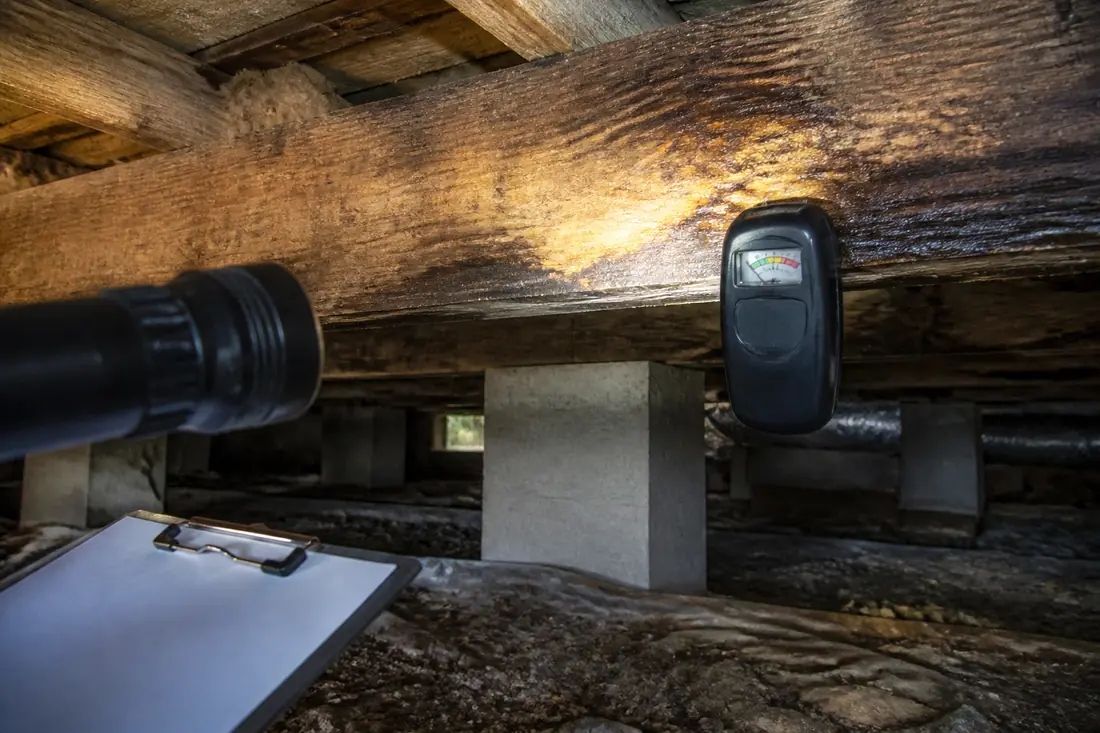
Either way the inspection covers the accessible structure — perimeter, slab penetrations, crawl space where there is one, attic, and any timber in contact with soil. What cannot be accessed is written down as not accessed rather than quietly implied to be clear.
What Is Included
- Reports suitable for a real estate transaction
- Accessible structure documented, inaccessible areas stated as such
- Findings distinguished between active, previous and conducive
- Evidence photographed rather than described from memory
- Scheduling that respects a closing date
The Termite Inspection Process
- 1
Step 1: Scope and Deadline
Whether this is a homeowner question or a transaction report changes the form, the turnaround and who receives it. Established first.
- 2
Step 2: Exterior and Perimeter
Grade, mulch, siding-to-soil contact, expansion joints and any mud tubing on the foundation.
- 3
Step 3: Interior and Sub-Structure
Accessible timber, plumbing penetrations, the garage slab junction, and the crawl space where the house has one rather than a slab.
- 4
Step 4: Attic and Roof Structure
Less common for subterranean activity but where drywood evidence and carpenter ant galleries show up.
- 5
Step 5: Written Findings
Active infestation, previous damage and conducive conditions reported separately, because they mean different things to a buyer and to a lender.
Types of Termite Inspection in Frisco
Real Estate WDI Reports
The wood-destroying insect report a lender or buyer requires at closing, completed on the correct form and delivered to a deadline.
Homeowner Inspections
For someone who has seen a swarm, a mud tube or damaged trim and wants to know what they are dealing with.
New-Build Verification
Confirming that a pretreatment was carried out and documented on a house bought new.
Annual Re-Inspection
Re-checking a previously treated structure, which in clay soil matters more than it does elsewhere.
What Matters When Choosing a Termites Contractor in Frisco, TX
The pest identified before anything is treated
German cockroaches, subterranean termites and roof rats each need a different answer. Treating for the wrong one costs you a season.
Entry points sealed, not just sprayed
Rodents come back through the same gap they used the first time. Sealing those entry points is what makes the treatment hold.
Straight answers on what comes back
Some problems take one visit. Some need a schedule. You will know which before you commit to anything.
Termite Inspection FAQs
Does Texas require a termite inspection to sell a house?
The state does not mandate one for every sale, but lenders frequently do, and VA loans in particular generally require a wood-destroying insect report. In practice most transactions here involve one.
How long does an inspection take?
A typical single-family home is under an hour unless there is a crawl space or heavy storage limiting access. The report follows separately.
What does the report actually say?
Whether there is active infestation, whether there is evidence of previous activity, and what conditions on the property make future activity more likely. Those three are distinct and a good report keeps them separate.
What if the inspector cannot get to part of the house?
It is recorded as inaccessible. A report that quietly omits what it could not see is worse than useless to a buyer, because it reads as a clean result.
Other Services in Frisco
- Ant and Fire Ant ControlFire ant mounds in the lawn and odorous house ants on the counter are different problems with different answers.
- Wasp, Hornet and Bee RemovalNests removed from eaves, wall voids and play areas — with honey bees relocated rather than destroyed where possible.
- Attic Wildlife RemovalSquirrels, raccoons, opossums and birds removed from attics and soffits, then kept out.