
Rat and Mouse Control in Frisco, TX — What to Expect
Two rodents account for most of what happens in North Texas homes. Roof rats climb, live high, and get into attics along fence lines, tree limbs and utility lines. House mice work lower and need a gap barely wider than a pencil. Scratching overhead at dusk is usually the first; droppings in a pantry is usually the second.
Killing the ones inside is the straightforward half. The half that decides whether the problem returns is finding how they got in — roof-line gaps, unsealed plumbing and cable penetrations, gable vents, weep holes, and the space where a garage door seal has worn.
Baiting alone inside a structure has an obvious failure mode: a rodent that dies in a wall cavity becomes a different problem for several weeks. Trapping and removal avoids that.
What Is Included
- Species identified — roof rats and house mice behave differently
- Trapping and removal rather than baiting inside wall cavities
- Every entry point found, not just the obvious one
- Roof line, weep holes, vents and utility penetrations checked
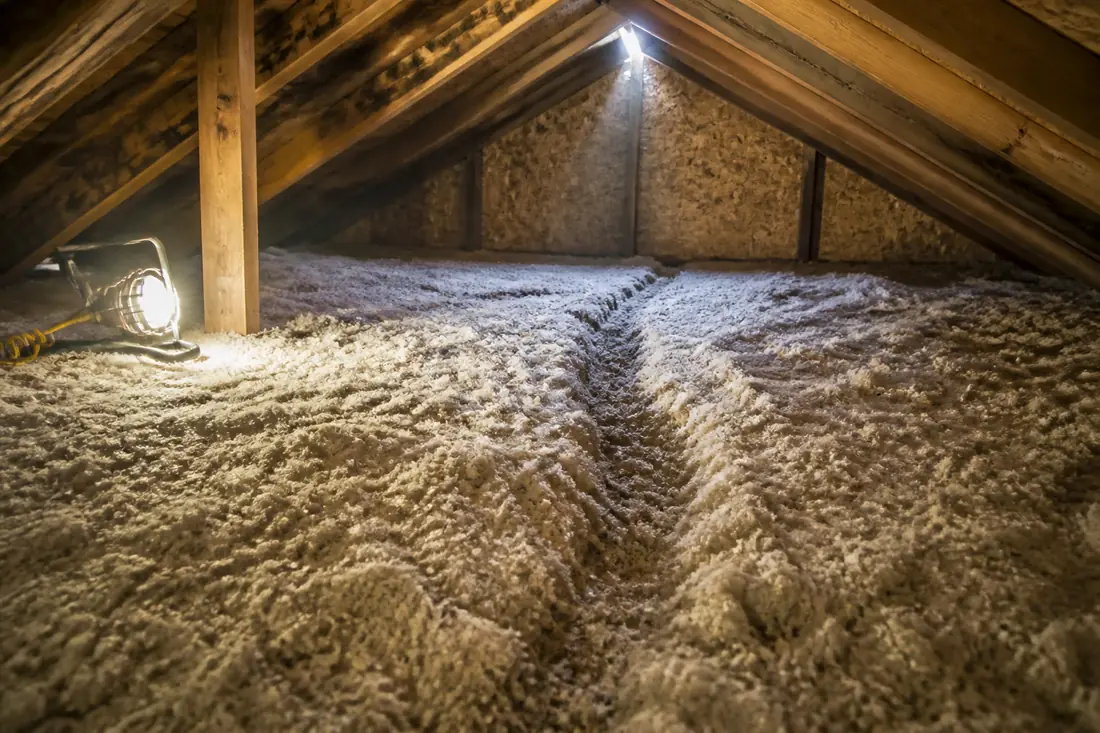
- Droppings and contaminated insulation flagged for clean-up
- Follow-up until activity actually stops
The Rat and Mouse Control Process
- 1
Step 1: Identify the Species
Roof rats, Norway rats and house mice enter differently and travel differently. The wrong assumption sends you looking in the wrong half of the building.
- 2
Step 2: Find the Runways
Rodents follow the same routes repeatedly, and the grease marks, droppings and tracked insulation show where. That is what points to the entry.
- 3
Step 3: Trap and Remove
Traps set on the runways rather than scattered, checked and cleared, so nothing dies inaccessibly inside a wall.
- 4
Step 4: Seal the Entries
Gaps closed with material rodents cannot chew back through. This is the step that decides whether they return.
- 5
Step 5: Verify and Follow Up
Return visits until activity stops rather than until the first quiet week, because quiet does not mean gone.
Types of Rat and Mouse Control in Frisco
Roof Rat Control
Attic and roof-line work for the climbing rat that dominates DFW, including tree and fence-line access.
House Mouse Control
Interior trapping and sealing for mice, which need only a very small gap and breed faster than most people expect.
Attic Droppings Clean-Up
Removal of contaminated insulation and droppings after the rodents are out, which is a health matter rather than a cosmetic one.
Dead Rodent Removal
Locating and removing a carcass in a wall or ceiling void, usually after a bait-only treatment elsewhere.
What Matters When Choosing a Rodents and Wildlife Contractor in Frisco, TX
The pest identified before anything is treated
German cockroaches, subterranean termites and roof rats each need a different answer. Treating for the wrong one costs you a season.
Entry points sealed, not just sprayed
Rodents come back through the same gap they used the first time. Sealing those entry points is what makes the treatment hold.
Straight answers on what comes back
Some problems take one visit. Some need a schedule. You will know which before you commit to anything.
Rat and Mouse Control FAQs
I hear scratching in the ceiling at night. What is it?
In this area, most often roof rats. They are active around dusk and dawn and live high in the structure. Squirrels are the other common answer and are usually noisier and active in daylight, which is a useful way to tell them apart before anyone goes up.
Why not just put down bait?
Bait works, but a rodent that dies inside a wall cavity cannot be retrieved, and the smell lasts weeks. Trapping keeps the outcome where it can be removed.
How are they getting in?
Most often the roof line where different planes meet, gable and soffit vents, gaps around plumbing vents and cable entries, weep holes in brick, and worn garage door seals. A mouse needs about a quarter inch.
Will they come back?
If the entry points are still open, yes — the property has already proven itself accessible. Sealing is what changes that, which is why it is part of the job rather than an upsell.
How do rats get into houses?
Roof rats climb, so most entry in North Texas is high rather than low. Fence lines and overhanging branches get them onto the roof, and from there the gaps that matter are roof-to-wall junctions, gable vents, soffit returns and the point where a pipe or cable passes through the wall. A rat needs a gap about the size of a quarter, which is far smaller than most people picture — the CDC advises sealing anything wider than a quarter inch to exclude rats and mice alike. Ground-level entry through weep holes, garage door corners and foundation penetrations is the other common route.
Other Services in Frisco
- Quarterly Pest Control PlansScheduled exterior treatment that keeps the seasonal pests from establishing, with interior work when it is needed.
- One-Time Pest TreatmentA single visit for a specific problem, with no contract attached — appropriate more often than the industry admits.
- Commercial Pest ControlScheduled programs for restaurants, food premises, offices and multi-unit property, with the documentation inspections require.