
Rodent Exclusion and Proofing in Frisco, TX — What to Expect
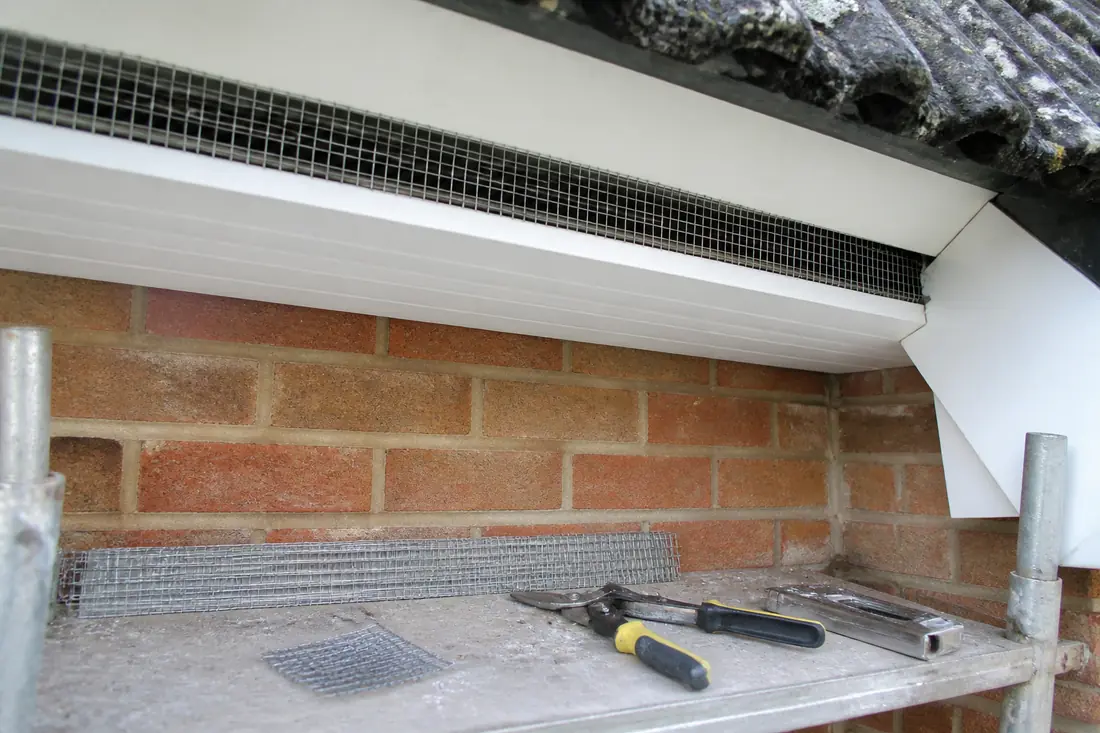
Exclusion is construction work rather than pest work. It means going over the building envelope and closing every gap large enough to admit a rodent, using material that will not be chewed back through — steel mesh, hardware cloth, sheet metal and mortar rather than expanding foam on its own.
It is the part most often skipped, because trapping produces a visible result and sealing does not. But a house that has had rodents once will have them again if the route is still open. The population outside does not decline; only the access does.
The work concentrates where builders leave gaps by default: roof-line junctions, soffit returns, weep holes, utility penetrations, and the corners of garage door seals.
What Is Included
- Full envelope survey rather than sealing the one known gap
- Steel mesh and hardware cloth, not foam alone
- Roof-line junctions, soffit returns and gable vents addressed
- Weep holes screened without blocking brick drainage
- Utility and plumbing penetrations sealed properly
- Done after removal, so nothing is sealed in
The Rodent Exclusion and Proofing Process
- 1
Step 1: Envelope Survey
The whole building rather than the area where noise was heard. Rodents rarely enter where you hear them.
- 2
Step 2: Confirm Occupants Are Out
Sealing a structure with rodents still inside creates a worse problem in a less accessible place. Removal comes first.
- 3
Step 3: Seal With Chew-Proof Material
Hardware cloth, steel wool packed into voids, sheet metal on chewed edges and mortar where masonry has opened. Foam alone is a temporary result.
- 4
Step 4: Weep Holes and Vents
Screened rather than filled — brick weep holes drain the cavity, and blocking them trades a rodent problem for a moisture one.
- 5
Step 5: Verification Visit
Coming back to confirm the seal held rather than assuming it did.
Types of Rodent Exclusion and Proofing in Frisco
Full-Structure Exclusion
A complete envelope seal, appropriate after a significant infestation or on a house with repeat history.
Roof Line and Soffit Sealing
The junctions and returns that roof rats use, which is where most DFW attic entries occur.
Weep Hole Screening
Stainless screening that keeps mice out of the brick cavity while leaving it draining as designed.
Garage and Utility Sealing
Door seals, thresholds and the penetrations for cable, gas and plumbing.
What Matters When Choosing a Rodents and Wildlife Contractor in Frisco, TX
The pest identified before anything is treated
German cockroaches, subterranean termites and roof rats each need a different answer. Treating for the wrong one costs you a season.
Entry points sealed, not just sprayed
Rodents come back through the same gap they used the first time. Sealing those entry points is what makes the treatment hold.
Straight answers on what comes back
Some problems take one visit. Some need a schedule. You will know which before you commit to anything.
Rodent Exclusion and Proofing FAQs
Is exclusion really necessary if the rodents are gone?
The rodents are gone; the entrance is not. Rodent pressure outside the house is constant, and an open route into a warm attic will be found again.
Can I just use expanding foam?
Not on its own — rodents chew straight through it. Foam is fine as a filler behind steel mesh or wool, but it is not a barrier by itself.
Should weep holes be filled in?
No. They drain the wall cavity, and sealing them solid causes moisture problems inside the brickwork. Screening keeps mice out and leaves the drainage working.
How long does exclusion take?
A typical single-family home is a day or so depending on roof access and how many penetrations there are. Two-story houses with complex roof lines take longer.
How do mice get into walls?
Through gaps far smaller than people expect — a mouse gets through roughly the width of a pencil. The usual routes are utility and plumbing penetrations that were never sealed, weep holes, the gap under a garage door seal, and the junction where brick meets siding. Once inside they travel within the wall cavity, which is why the noise often moves and why sealing the outside matters more than trapping alone.
Other Services in Frisco
- Quarterly Pest Control PlansScheduled exterior treatment that keeps the seasonal pests from establishing, with interior work when it is needed.
- Termite ControlThe whole picture on termites in Frisco — how they get in, how they are found, what treatment involves and what keeps them out.
- Commercial Pest ControlScheduled programs for restaurants, food premises, offices and multi-unit property, with the documentation inspections require.