
Apartment and Multifamily Pest Control in Frisco, TX — What to Expect
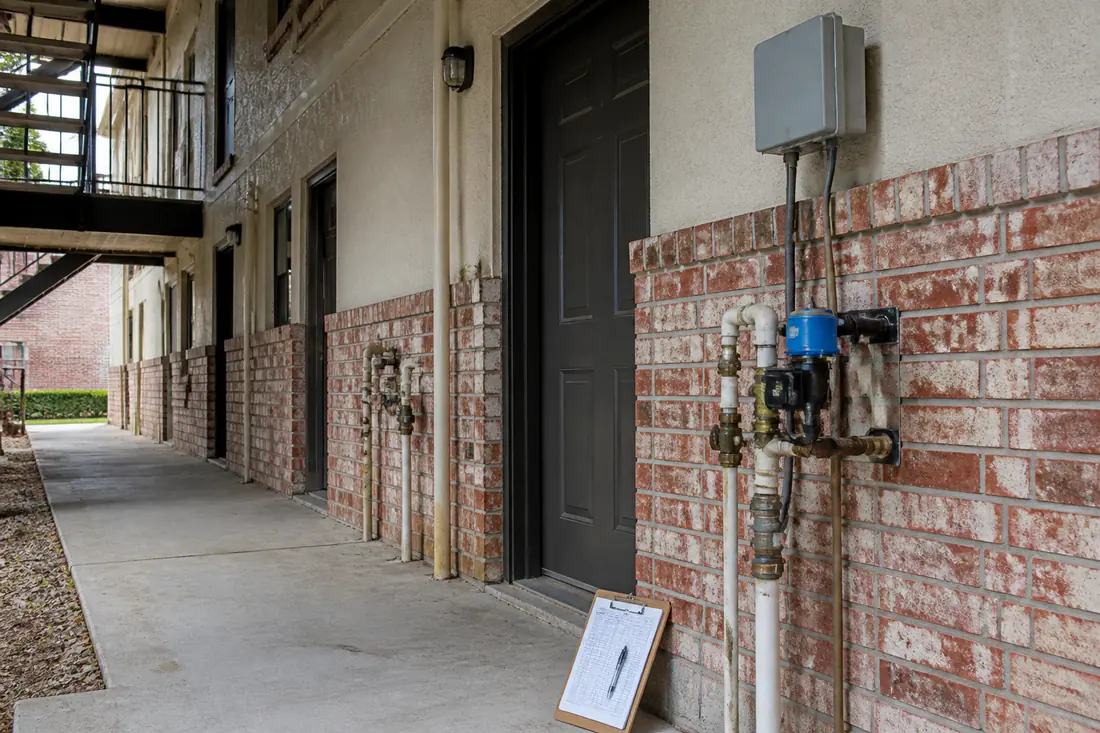
Multifamily property has one characteristic that changes the whole approach: the units are connected. Shared walls, common plumbing chases, utility penetrations, shared attic space and continuous soffit runs all give pests a route between units that has nothing to do with the doors. German cockroaches and bed bugs both exploit this readily, which is why treating the unit that reported the problem often produces a short quiet period followed by the same call from next door.
That makes inspection scope the most important decision on a multifamily job. Adjacent units, units above and below, and the common areas connecting them usually need to be inspected whether or not anyone in them has complained. Residents frequently do not report early activity, either because they have not noticed it or because they would rather not be blamed for it, so an inspection limited to complaints is an inspection working from incomplete information.
The other half is documentation. Property managers need records: what was found, which units were treated, what preparation residents were asked to do and what conditions are driving the pressure. That record matters for coordinating access, for demonstrating that the problem is being handled, and for identifying the unit or condition that keeps reintroducing it.
What Is Included
- Adjacent, above and below units inspected, not only the one that called
- Shared walls, chases, penetrations and common areas treated as routes
- Resident preparation instructions written for each treatment type
- Access coordination handled with the property manager
- Per-unit records suitable for a management file
- Recurring programs for properties with continuing pressure
The Apartment and Multifamily Pest Control Process
- 1
Step 1: Scope Beyond the Complaint
Adjacent units, the units above and below, and the common areas linking them. An infestation that moves through shared structure is not bounded by which resident called.
- 2
Step 2: Identify Correctly
German cockroach, American cockroach and bed bug all move between units but need entirely different treatment. Getting the species wrong on multifamily property multiplies the cost of the mistake by the number of units.
- 3
Step 3: Coordinate Access and Preparation
Residents receive written preparation appropriate to the treatment, and access is scheduled with the property manager rather than negotiated at the door.
- 4
Step 4: Document Per Unit
What was found, what was treated, what preparation was requested and what conditions are driving pressure — recorded per unit so the pattern across the building is visible.
Types of Apartment and Multifamily Pest Control in Frisco
Apartment Bed Bug Treatment
Multi-unit bed bug work where adjacent units are inspected as a matter of course rather than on report.
Multifamily Cockroach Programs
German cockroach management across connected units, where a single untreated unit reseeds the building.
Multifamily Rodent Exclusion
Sealing the shared routes — utility penetrations, soffits and roof junctions — that let rodents move through a whole building.
Property Management Programs
Scheduled service across a portfolio, with per-unit records and a single point of coordination.
What Matters When Choosing a Plans and Programs Contractor in Frisco, TX
The pest identified before anything is treated
German cockroaches, subterranean termites and roof rats each need a different answer. Treating for the wrong one costs you a season.
Entry points sealed, not just sprayed
Rodents come back through the same gap they used the first time. Sealing those entry points is what makes the treatment hold.
Straight answers on what comes back
Some problems take one visit. Some need a schedule. You will know which before you commit to anything.
Apartment and Multifamily Pest Control FAQs
Why does treating one apartment not fix the problem?
Because the units are connected. Shared walls, plumbing chases, utility penetrations and common attic space give pests routes between units that have nothing to do with doors. Treating the unit that reported it leaves the population in the adjoining units intact, and it moves back once the treated unit is habitable again.
How many units need to be inspected?
At minimum the reporting unit, the units either side, and the units above and below. Where activity is found in any of those, the scope widens. Residents often do not report early activity, so an inspection limited to complaints is working from incomplete information.
What preparation do residents need to do?
It depends entirely on the treatment. Bed bug work requires substantial preparation — laundering, bagging, and clearing access to beds and furniture. Cockroach gel baiting requires very little. Written instructions matched to the specific treatment go out ahead of the visit, because a unit that is not prepared usually has to be rescheduled.
Can you work around resident access problems?
To a point, and coordination with the property manager is what makes it workable. The difficulty on multifamily property is rarely the treatment; it is getting into every unit that needs treating within a short enough window that the untreated ones do not reseed the treated ones.
Do you provide records for our management files?
Yes. Findings, treatments, preparation requested and conditions observed are recorded per unit, which is what makes the pattern across a building visible and what property managers need for their own records.
Other Services in Frisco
- Termite TreatmentEastern subterranean termites reach North Texas slabs through the same soil cracks the clay opens every summer.
- Termite InspectionWood-destroying insect inspections, including the report lenders ask for when a Texas property changes hands.
- Pre-Construction Termite TreatmentSoil treatment before the slab is poured — far less expensive than treating the same structure once it is built.